
Construction sites are dynamic and hazardous environments, necessitating strict adherence to safety laws and guidelines to ensure the well-being of workers and stakeholders. In India, construction safety has gained prominence due to the rapid urbanization and infrastructural growth across cities like Jaipur. From residential projects to large-scale turnkey ventures, ensuring safety on construction sites is paramount, particularly for organizations striving to be recognized as the best construction company in Jaipur. This article delves into Indian construction site safety laws and guidelines while highlighting how they foster a secure work environment for all.
Key Safety Laws Governing Construction Sites in India
- The Building and Other Construction Workers (Regulation of Employment and Conditions of Service) Act, 1996 This act mandates registration of construction sites employing 10 or more workers. It focuses on worker welfare by providing measures such as accident insurance, safety training, and suitable working conditions.
- The Factories Act, 1948 Though primarily for factories, this act has provisions applicable to construction sites where machinery is used. It ensures the safe handling of equipment, regular maintenance, and accident prevention.
- The Mines Act, 1952 For projects involving excavation, this act sets guidelines for safety, health, and working hours for laborers engaged in hazardous operations.
- The Contract Labour (Regulation and Abolition) Act, 1970 Ensuring fair treatment of contract labor, this act includes provisions for clean drinking water, canteens, and medical facilities.
- National Building Code (NBC), 2016 The NBC provides detailed guidelines on construction safety, fire prevention, and structural stability, which are crucial for real estate builders in Jaipur and across India.
Essential Guidelines for Enhancing Construction Site Safety
To maintain compliance and foster a safe environment, companies must follow these practical guidelines:
- Safety Training Comprehensive training programs should be conducted for workers and supervisors to familiarize them with potential risks and proper safety protocols.
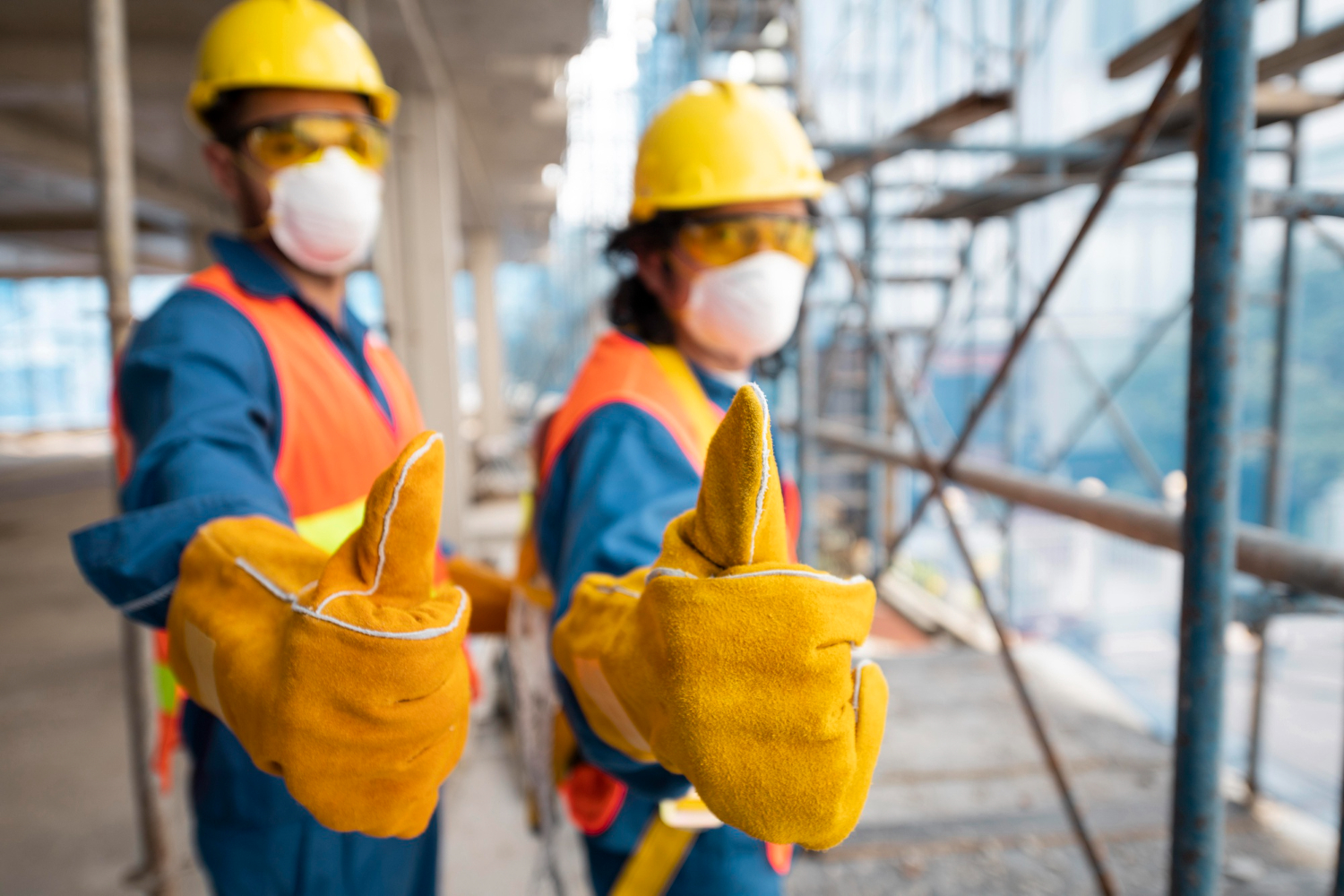
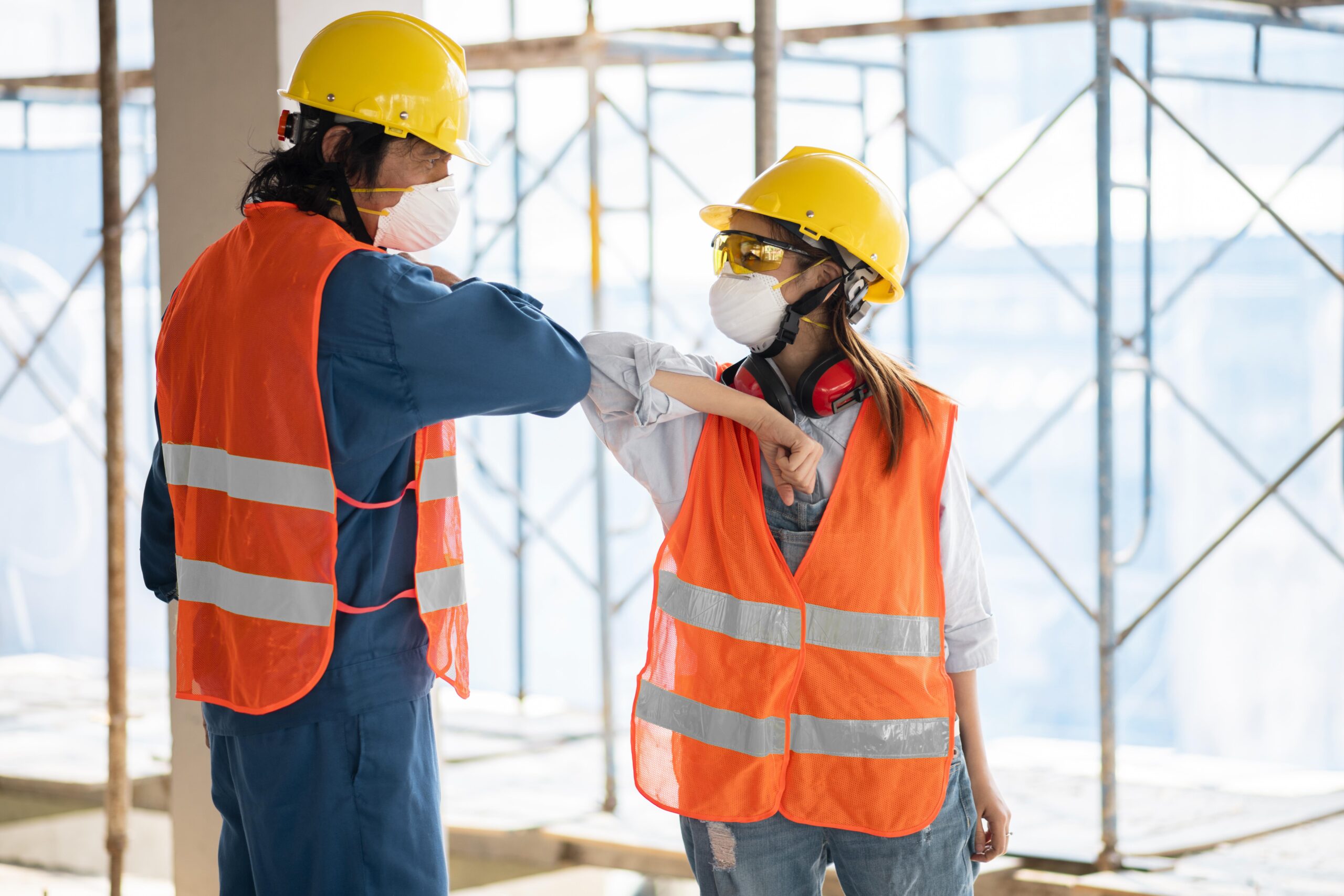
- Personal Protective Equipment (PPE) Providing workers with PPE such as helmets, gloves, and safety harnesses is mandatory. Leading organizations like a prominent construction company in Jaipur ensure PPE availability at all times.
- Emergency Response Plans Construction companies involved in turnkey projects in Jaipur must have robust emergency response systems in place, including first aid stations and fire evacuation plans.
- Regular Inspections Periodic site inspections and safety audits help identify potential hazards and rectify them before accidents occur.
- Adherence to Quality Standards Using high-quality materials and employing skilled labor not only ensures structural stability but also minimizes the risks associated with substandard materials.
How Safety Impacts the Construction Industry in Jaipur
Jaipur, a city renowned for its architectural heritage and burgeoning real estate sector, is witnessing a surge in construction activities. Real estate builders in Jaipur are increasingly embracing advanced safety protocols to align with modern construction standards. Moreover, companies offering turnkey projects in Jaipur have an added responsibility to oversee every stage of construction, ensuring compliance with safety laws.
For a company aiming to be the best construction company in Jaipur, prioritizing safety is non-negotiable. From maintaining worker welfare to securing client trust, adherence to safety guidelines reflects a company’s commitment to quality and reliability.
Conclusion
Indian construction site safety laws and guidelines are pivotal in creating a secure and efficient work environment. By complying with these regulations, companies in Jaipur can significantly reduce accidents and improve operational efficiency. Whether it’s a construction company in Jaipur, a real estate developer, or a turnkey project provider, prioritizing safety not only protects lives but also enhances brand reputation. As the city continues to grow, fostering a culture of safety will be essential for sustainable and responsible development.